

Refresh Weatherstripping Around Exterior Doors

Patricia Bacote
Exterior doors play a big role in keeping your home comfortable, protected, and energy efficient. When the weatherstripping around those doors becomes worn, cracked, loose, or compressed, outside air can sneak in and conditioned air can escape. Over time, that small draft can make your heating and cooling system work harder than it needs to.
Refreshing your weatherstripping is a simple home maintenance task that can make a noticeable difference.
Why weatherstripping matters
Weatherstripping creates a seal around the edges of your exterior doors. This seal helps block drafts, moisture, dust, pollen, insects, and outdoor odors from entering your home. It also helps keep warm air inside during colder months and cool air inside during warmer months.
When the seal breaks down, your home may feel less comfortable even if your HVAC system is working properly. You might notice cold spots near the door, higher energy bills, or a small line of daylight around the frame.
Signs it needs to be replaced
Weatherstripping does not last forever. Daily use, sunlight, temperature changes, moisture, and age can all cause it to wear out.
Common signs include visible cracks, peeling, gaps, flattened rubber, loose adhesive, or missing sections. You may also feel air coming through the edges of the door when it is closed. Another easy test is to close the door on a piece of paper. If the paper slides out easily, the seal may not be tight enough.
You can also inspect the door at night by having someone shine a flashlight around the outside edges while you stand inside. If light comes through, air probably can too.
Choose the right type
There are several types of weatherstripping available, and the best option depends on your door and frame.
Adhesive foam tape is affordable and easy to install, but it may wear out faster in high-use areas. Rubber or vinyl gasket weatherstripping is more durable and creates a stronger seal. Door sweeps attach to the bottom of the door and help block drafts, dust, and insects from entering underneath.
For many exterior doors, you may need both side weatherstripping and a bottom sweep to fully seal the opening.
Basic installation steps
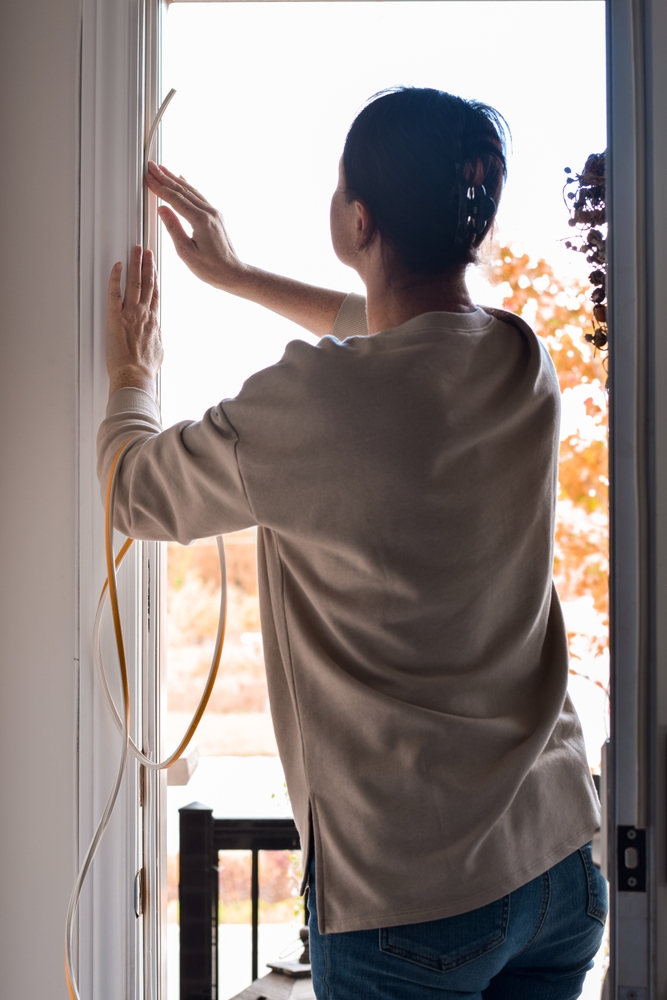
Start by removing the old weatherstripping and cleaning the surface around the door frame. Dirt, dust, and leftover adhesive can prevent the new material from sticking or sitting properly. Measure each side of the door frame carefully before cutting the replacement pieces.
Install the new weatherstripping according to the product instructions, making sure it sits snugly without preventing the door from closing. The seal should compress slightly when the door shuts, but it should not make the door difficult to latch.
If you are replacing a door sweep, measure the width of the door and trim the sweep if needed. Attach it so it lightly contacts the threshold without dragging too heavily.
Avoid over-sealing the door
A good seal is important, but too much pressure can create problems. If the weatherstripping is too thick or installed too tightly, the door may not close correctly. This can put stress on hinges, locks, and the door frame.
After installation, open and close the door several times. Make sure it latches smoothly and that there are no large gaps. If the door sticks or requires force to close, adjust the weatherstripping or choose a thinner material.
When to call a professional
Most weatherstripping replacements are simple DIY projects, but some situations may need extra help. If the door is warped, the frame is uneven, the threshold is damaged, or water is coming in during rain, replacing the weatherstripping alone may not solve the issue.
A professional can check whether the door needs adjustment, repair, or replacement. This is especially helpful if you have recurring drafts even after installing new seals.
A small fix with year-round benefits
Refreshing weatherstripping around exterior doors is a low-cost way to improve comfort and help reduce wasted energy. It can also help keep out dust, moisture, and pests while making your home feel more secure and better sealed.
Adding this task to your seasonal maintenance checklist can help your doors perform better throughout the year. A few minutes of inspection and a simple replacement can go a long way toward keeping your home comfortable in every season.